Dulce Tropical logo

+507 6803 0066 ES EN

Panama Hibiscus & Botanicals Export Program

We produce and export bulk dried hibiscus (roselle), lemongrass, and moringa from Panama in whole-leaf and cut formats for tea, beverage, and ingredient buyers. Programs run from 100 kg initial lots to annual contracts, with per-lot COA documentation and 25 kg export packaging.

Program highlights

  • Dried hibiscus, lemongrass, and moringa
  • Per-lot microbiological COA
  • 100 kg MOQ in 25 kg export bags

Origin control

Our tea and botanicals line is a selective program alongside our fresh fruit exports: dried hibiscus (roselle), lemongrass, and moringa handled with the same origin traceability and documentation discipline. Panama's pronounced dry season (approximately December to April) provides favorable conditions for post-harvest drying, and the 100 kg minimum makes the program practical for tea packers, beverage formulators, and ingredient distributors evaluating a new origin. As a Panama hibiscus supplier, Dulce Tropical structures each botanical program to the buyer's cut, moisture, and documentation specification.

Logistics execution

  • Ocean freight in dry containers (FCL or consolidated LCL); dried botanicals require no cold chain
  • Air freight available for samples and initial 100 kg lots
  • Palletized 25 kg bags with moisture protection for transit
  • Per-lot COA (moisture and microbiology) plus phytosanitary certificate where the destination requires it
  • Recommended storage on arrival: cool and dry, below 25°C and 65% RH
  • Samples and technical specification ahead of program confirmation

Technical specifications

ParameterSpecification
ProductsHibiscus (roselle calyces), lemongrass, moringa leaf
FormatsDried: whole-leaf / whole calyx, cut (incl. tea-bag cut), blends to specification
MoistureHibiscus typically ≤ 12%; lemongrass and moringa typically ≤ 10% (confirmed by COA on every lot)
Microbiological documentationPer-lot COA: total plate count, yeast & mold, E. coli, Salmonella absence
Foreign matterTolerance defined per program specification (typically ≤ 2%)
Packaging25 kg multi-wall bags with food-grade inner liner (alternative formats per program)
Shelf life12–24 months in original sealed packaging (per product and storage conditions)
Storage conditionsCool and dry: < 25°C, < 65% RH, away from direct sunlight
CertificationCertification pathways (organic and others) evaluated per program and destination market
Minimum volume100 kg per product (initial programs); annual contract for larger volumes
Freight modeOcean in dry container (FCL/LCL) or air for initial lots and samples

Seasonal availability

Nov – Feb

Hibiscus harvest & drying window

Hibiscus (roselle) is typically harvested at the start of Panama's dry season, approximately November to February, when the calyces reach maturity and conditions favor post-harvest drying. The exact window is confirmed per program.

Year-round

Lemongrass & moringa cutting

Lemongrass and moringa support rotational cutting year-round under Panama's tropical conditions. Drying is scheduled throughout the year, with the most favorable conditions during the dry season (December–April).

Year-round

Shipments from dried inventory

The dried format decouples shipment from harvest: programs dispatch year-round from dried inventory, subject to harvest volumes and per-program confirmation.

Export process

01

Harvest

Hibiscus calyces harvested at maturity; rotational cutting of lemongrass and moringa per program.

02

Drying & cleaning

Low-temperature drying to target moisture, cleaning, foreign-matter removal, and sorting.

03

Cutting & packing

Whole or cut presentation to specification; packing in 25 kg bags with food-grade liner and lot coding for traceability.

04

Documentation & dispatch

Per-lot COA, phytosanitary certificate where the destination requires it, and dry-container ocean or air dispatch.

Frequently asked questions

What botanical products are available?

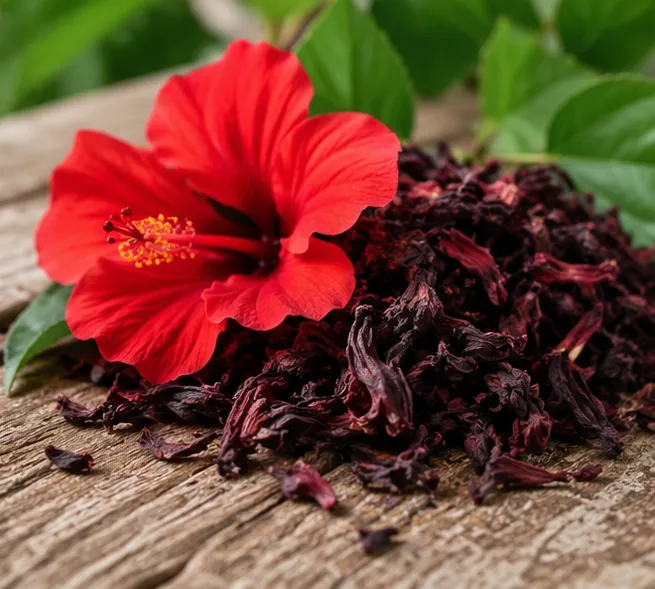
Dried hibiscus (jamaica flower) as whole calyx or cut, cut lemongrass, whole or cut moringa leaf, and herbal blends to buyer specification. All in dried format, packed in 25 kg export bags with a food-grade inner liner.

Do you offer organic certification?

Organic certification pathways (USDA NOP, EU Organic) are evaluated per program depending on the destination market, and certification scope is confirmed when each program is structured. Conventional product ships with full per-lot COA documentation.

What is the minimum volume for botanicals?

Minimum 100 kg per product for initial programs, packed in 25 kg bags. Larger volumes are available under annual contract; each program is quoted to specification.

What documentation accompanies each lot?

Every lot ships with a COA covering moisture, total plate count, yeast and mold, E. coli, and Salmonella absence, plus a foreign-matter declaration. A phytosanitary certificate is issued where the destination market requires it, and documentation is aligned to buyer requirements per program.

Do dried botanicals ship by air or by sea?

Unlike fresh fruit, dried botanicals travel stably with no cold chain. Ocean freight in dry containers (FCL or consolidated LCL) is the standard for volume programs; air freight is practical for samples and initial 100 kg lots. Packaging includes moisture protection for ocean transit.