
Air vs. Sea Freight for Fresh Produce: How Importers Should Choose
Transit time, cost per kilo, shelf-life math, and which tropical fruits justify air freight — a practical decision framework for produce importers.
Air vs. Sea Freight for Fresh Produce
Every fresh-produce program eventually faces the same question: pay more per kilo to fly, or plan around the vessel schedule? The right answer is product-specific — it comes from shelf-life math, not preference.
The shelf-life equation
Start with the fruit's post-harvest life at proper temperature, subtract the transit, and what remains is the importer's selling window.
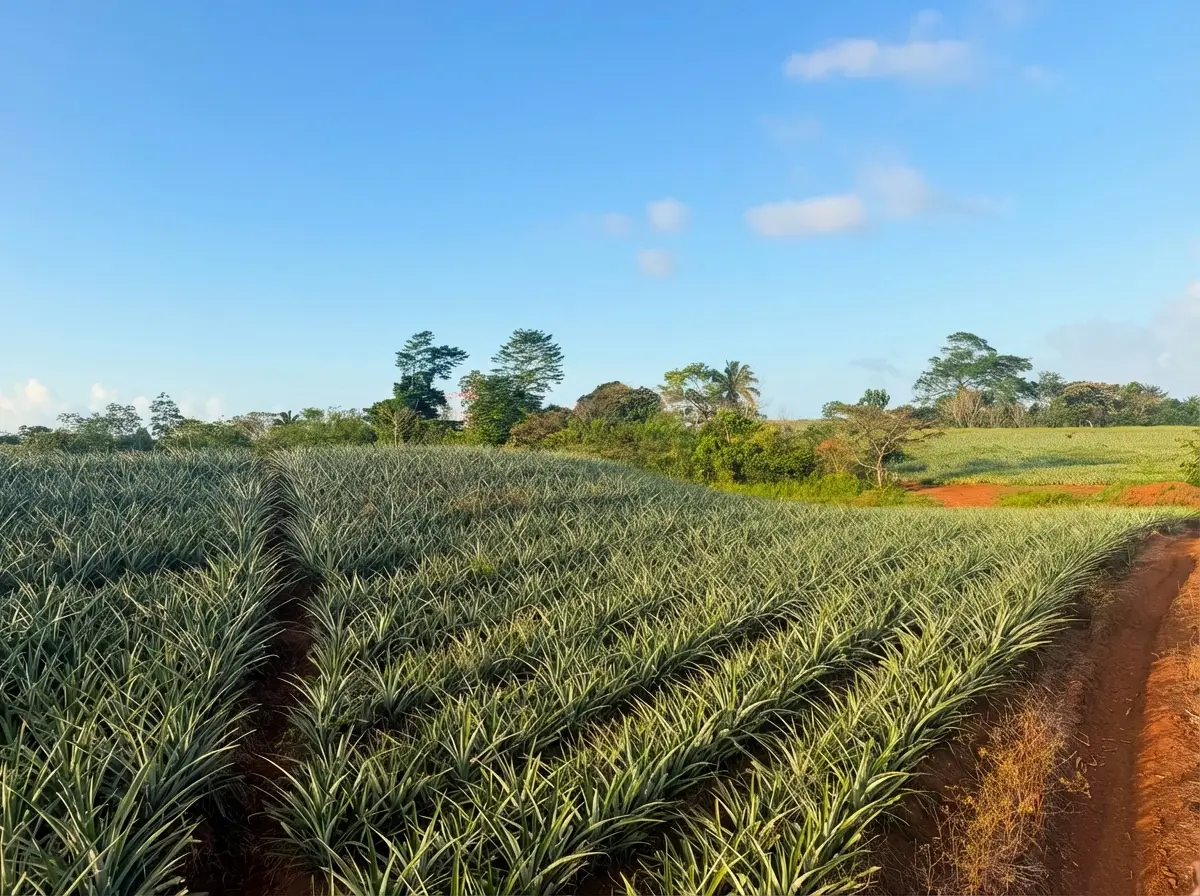
- MD-2 pineapple: 21–28 days of shelf life at 7–8°C. A 3–5 day transit to the US East Coast or even 12–16 days to Europe leaves a comfortable retail window. Ocean wins on cost, and pineapple almost never justifies air.
- Watermelon and melon: 14–21 days. Fine by sea within the Americas and to Europe on direct services.
- Dragon fruit: 2–4 weeks refrigerated — sea-capable on direct services; air appears for premium programs where bract freshness matters.
- Papaya: 7–10 days. This is the classic air-freight fruit: a 24–48 hour flight preserves the texture and flavor premium retail pays for. Sea papaya exists, but it is a different (firmer-cut) product.
- Passion fruit: 2–4 weeks refrigerated — sea-capable, though air serves aroma-critical programs.
Cost per kilo vs. cost per sellable kilo
Air freight can cost several times ocean freight per kilo — but the honest comparison is cost per sellable kilo. A cheaper container that arrives with three selling days left, forcing markdowns and throwaways, can cost more than the flight. Premium programs with high retail prices absorb air freight easily; commodity volume never does.
Volume, frequency, and flexibility
Ocean logic: one 40' reefer (~20+ tonnes) weekly builds retail-scale programs. Air logic: shipments from ~500 kg, several times per week, with the ability to react to demand in days. Many buyers run both — a sea base-load plus an air top-up for freshness-critical SKUs.
The hybrid rule of thumb
If the fruit's shelf life is at least three times the sea transit, ship by sea. If the fruit's premium depends on ripeness or aroma at arrival — papaya being the clearest case — fly it. And when in doubt, run the two channels side by side for a season and let arrival-quality reports and sell-through data make the decision.