
Fruit Export Documentation: Phytosanitary Certificates, Certificates of Origin & Packing Lists
The documents every fresh-fruit shipment needs — what each one certifies, who issues it, and how importers should verify them before the container sails.
Fruit Export Documentation: What Every Shipment Needs
A fresh-fruit container is only as good as its paperwork. A missing or inconsistent document can hold a reefer at port while the product's shelf life burns down — so serious exporters treat documentation as part of quality control, not an afterthought. This guide covers the core documents importers should expect on every shipment.
The phytosanitary certificate
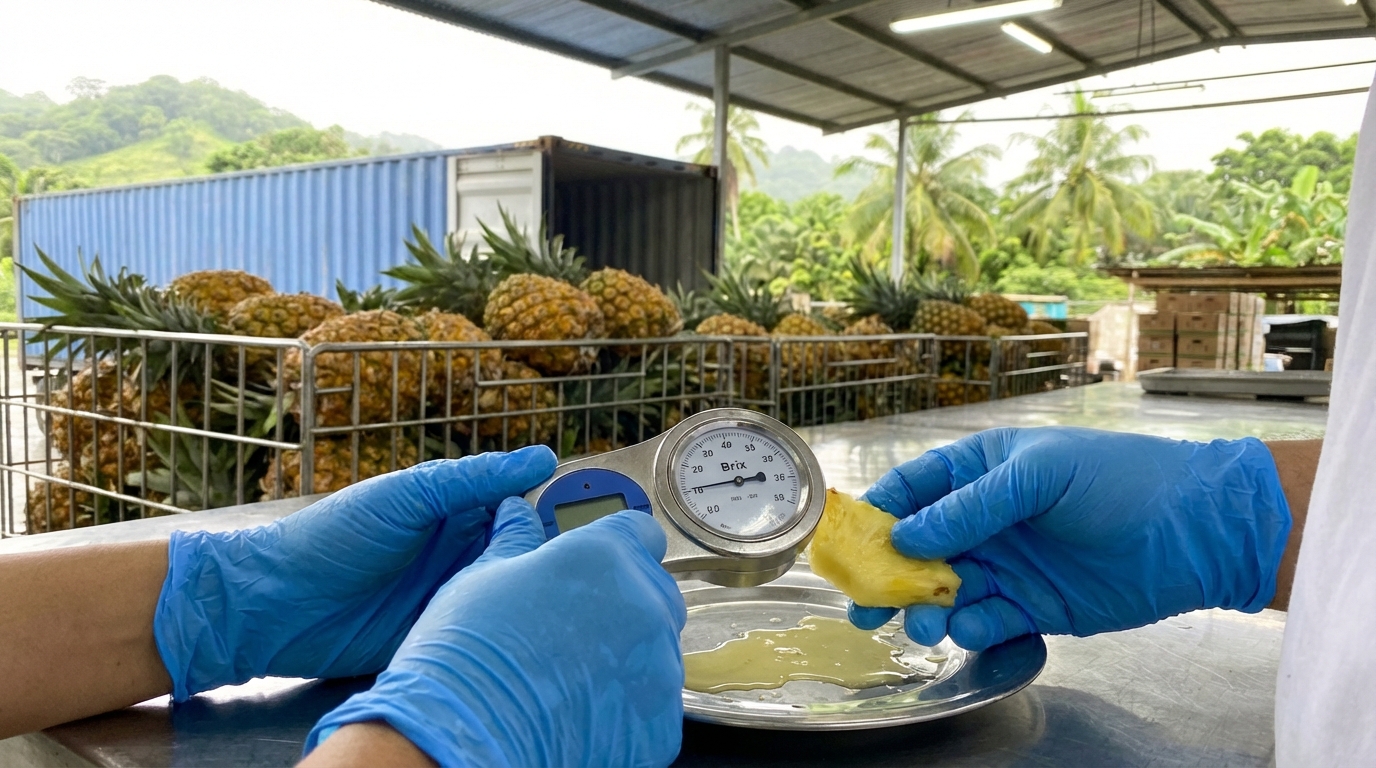
Issued by the plant-health authority of the origin country — in Panama, MIDA through its Plant Health (Sanidad Vegetal) technicians — the phytosanitary certificate attests that the product was inspected and meets the plant-health requirements of the destination country. Inspection happens at packing: technicians verify fruit condition and the safety and hygiene practices of the packing process before the container is sealed.
What importers should check: the certificate must match the destination country's requirements exactly — product, quantity, and any required additional declarations. A certificate written for the wrong destination is as bad as no certificate.
The certificate of origin
The certificate of origin documents where the product was grown, and drives tariff treatment where trade agreements apply. For multi-origin suppliers, it is also the buyer's guarantee of which origin actually shipped: at Dulce Tropical, every program states its origin in the commercial specification, and the certificate of origin confirms it shipment by shipment.
The packing list and commercial invoice
The packing list details cartons, calibers, lot numbers, and pallet configuration; the commercial invoice carries values and Incoterm. Together they must reconcile perfectly with each other and with the bill of lading — most customs delays trace back to small inconsistencies between these three documents.
Bill of lading and temperature records
The bill of lading is the contract of carriage and, for reefer cargo, carries the temperature and ventilation instructions (for MD-2 pineapple: 7–8°C pulp set point, 85–90% relative humidity). Modern programs add temperature-logger data so arrival-quality discussions rely on records, not recollections.
Lot traceability ties it together
Every document should trace to lot numbers that connect back to harvest date and field. That is what turns paperwork into accountability: when a question comes up at arrival, a traceable lot lets grower, packer, and importer answer it with data.
Structured export programs standardize this document set per destination — so week after week, the container and its paperwork arrive telling the same story.